



Search titles
Displaying results 581 to 590 of 1178.

Medical Student Journal of Australia: Volume Five, Issue 2 »
Publication date: July 2015
The Medical Student Journal of Australia provides the medical school of The Australian National University with a platform for medical students to publish their work in a peer-reviewed journal, communicating the results of medical and health research information clearly, accurately and with appropriate discussion of any limitations or potential bias.
Download for free
Not available for purchase

East Asia Forum Quarterly: Volume 7, Number 2, 2015 »
Publication date: June 2015
East Asia Forum Quarterly grew out of East Asia Forum (EAF) online, which has developed a reputation for providing a platform for the best in Asian analysis, research and policy comment on the Asia Pacific region in world affairs. EAFQ aims to provide a further window onto research in the leading research institutes in Asia and to provide expert comment on current developments within the region. The East Asia Forum Quarterly, like East Asia Forum online, is an initiative of the East Asia Forum (EAF) and its host organisation, the East Asian Bureau of Economic Research (EABER) in the Crawford School of Economics and Government in the College of Asia & the Pacific at The Australian National University.
Download for free
Not available for purchase

Administrative Decision-Making in Australian Migration Law »
Authored by: Alan Freckelton
Publication date: May 2015
The ANU College of Law, Migration Law Program is pleased to introduce a text in administrative decision-making in Australian migration law. Over the past eight years we have assembled a team of some of Australia’s most highly qualified migration agents and migration law specialists to deliver the Graduate Certificate in Australian Migration Law & Practice, and the Master of Laws in Migration Law.
Alan Freckelton has worked with the Migration Law Program since 2008. Through personal recollections and a comprehensive analysis of administrative decision-making, he brings his professional expertise and experience in this complex field of law to the fore. The examination of High Court decisions, parliamentary speeches and public opinion bring a contentious area of law and policy to life, enabling the reader to consider the impact that legislation and decision-making has upon the individual and society as a whole.
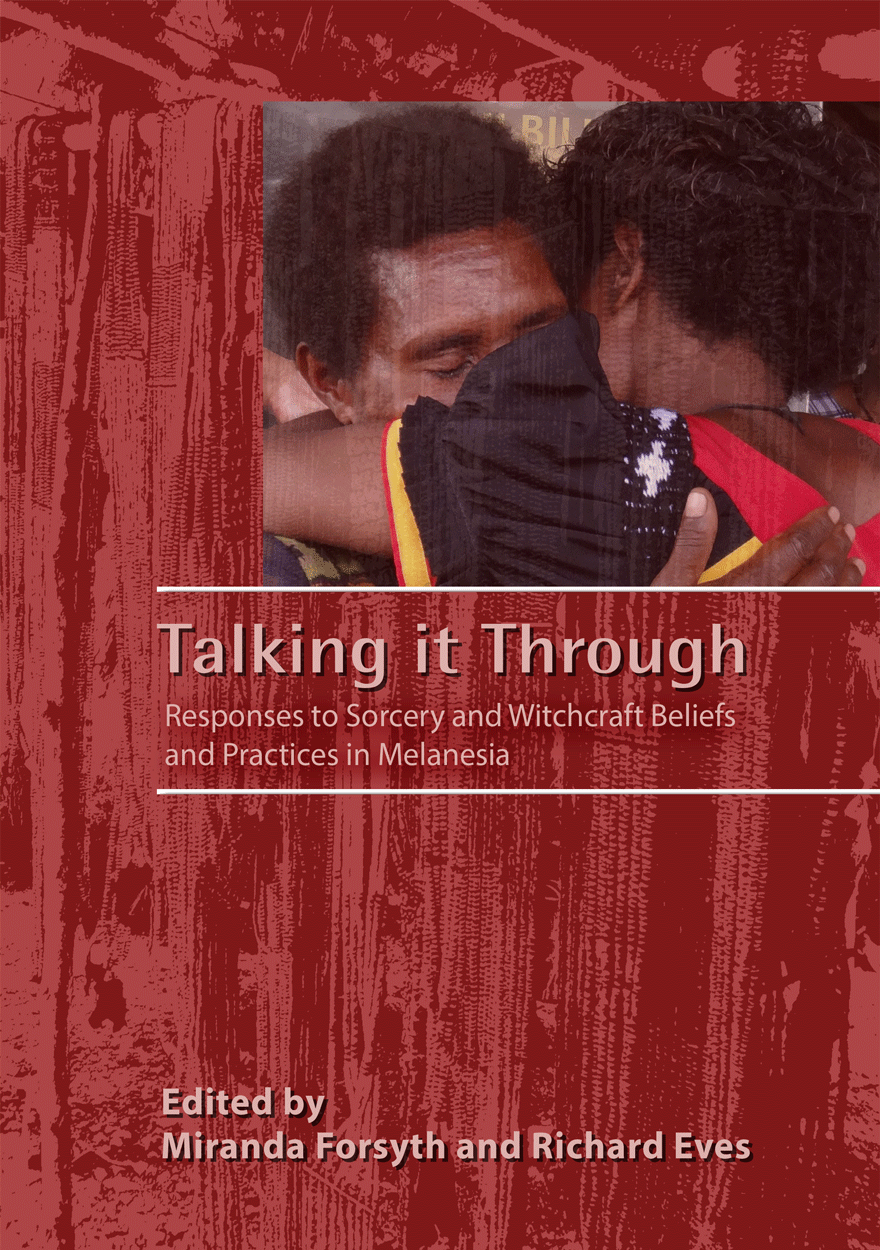
Talking it Through »
Responses to Sorcery and Witchcraft Beliefs and Practices in Melanesia
Edited by: Miranda Forsyth, Richard Eves
Publication date: May 2015
Sorcery and witchcraft practices and beliefs are pervasive across Melanesia. They are in part created by, and give rise to, a wide variety of poor social and developmental outcomes. These include uneven economic development, low public health, lack of social cohesion, crime, fear and insecurity. A further very visible problem is the attacks on men and women who are accused of being practitioners of witchcraft or sorcery, which can lead to serious bodily harm, banishment and sometimes death. Today, many communities, individuals, church organisations and policymakers in Melanesia and internationally are exploring ways to overcome the negative social outcomes associated with witchcraft and sorcery practices and beliefs. This book brings together a collection of chapters written by a diverse range of authors, both Melanesian and non-Melanesian, providing crucial insights both into how these practices and beliefs are playing out in contemporary Melanesia, and also the types of interventions that are being trialled or debated to address the problems associated with them.

Taxonomic Tapestries »
The Threads of Evolutionary, Behavioural and Conservation Research
Edited by: Alison M. Behie, Marc F. Oxenham
Publication date: May 2015
This volume explores the complexity, diversity and interwoven nature of taxonomic pursuits within the context of explorations of humans and related species. It also pays tribute to Professor Colin Groves, whose work has had an enormous impact on this field. Recent research into that somewhat unique species we call humankind, through the theoretical and conceptual approaches afforded by the discipline of biological anthropology, is showcased. The focus is on the evolution of the human species, the behaviour of primates and other species, and how humans affect the distribution and abundance of other species through anthropogenic impact. Weaving together these three key themes, through the considerable influence of Colin Groves, provides glimpses of how changes in taxonomic theory and methodology, including our fluctuating understanding of speciation, have recrafted the way in which we view animal behaviour, human evolution and conservation studies.

Timor-Leste's Bill of Rights »
A Preliminary History
Authored by: Annemarie Devereux
Publication date: May 2015
The Constitution of the Democratic Republic of Timor-Leste of 2002 contains over 40 human rights provisions in its Bill of Rights. In addition to providing an overview of the process leading up to the adoption of the Constitution, this book brings together information relating to each section of the Bill of Rights, presenting:
progressive texts produced during the process of the Constituent Assembly;
highlights of the arguments put forward within the Constituent Assembly concerning the draft provisions, including alternative proposals advanced;
submissions made by Timorese officials, civil society and international bodies; and
the results of consultation with the broader community before and during the constitutional process.
It is designed to be useful in particular to judges and legal practitioners called upon to interpret the Constitution, government officials and civil society actors involved in human rights work, as well as students of history and constitutional law in Timor-Leste and internationally.
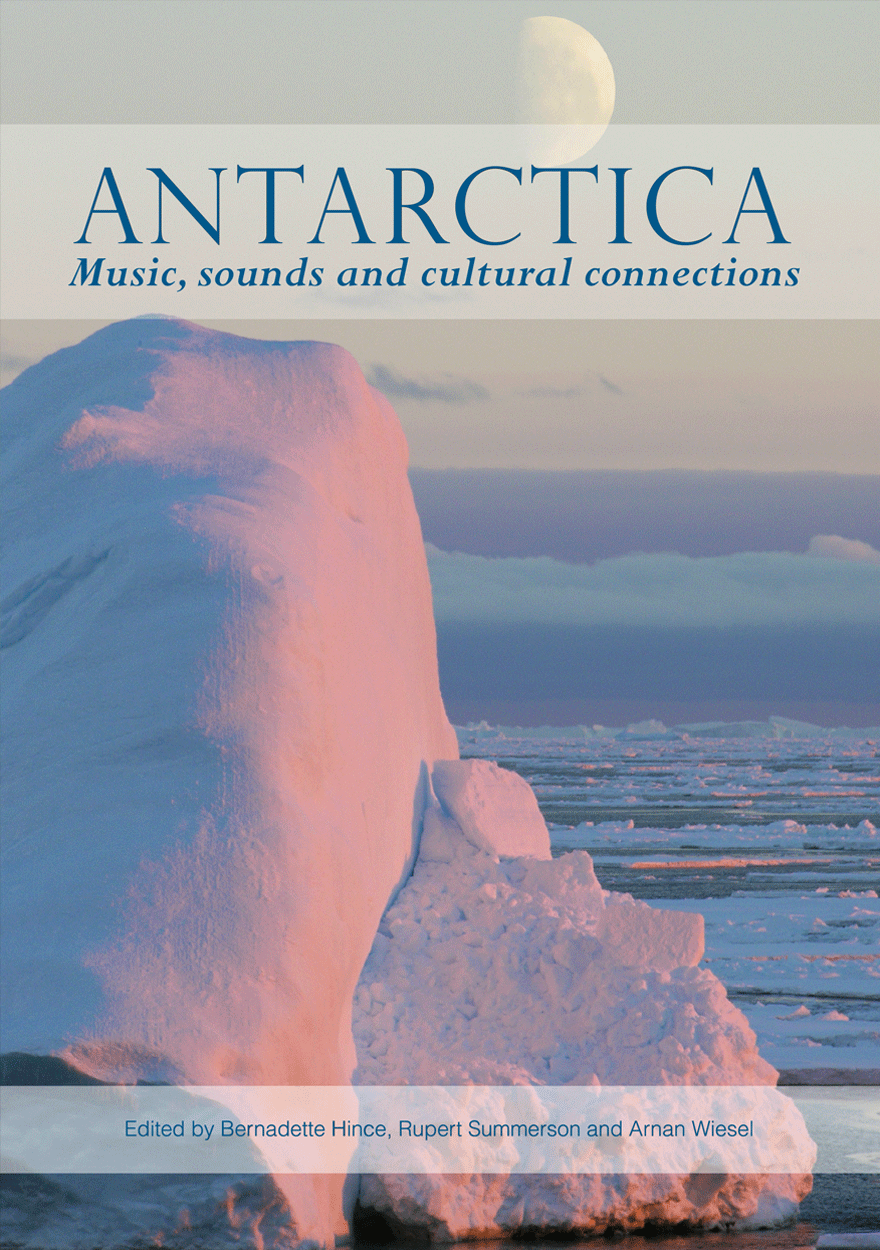
Antarctica »
Music, sounds and cultural connections
Publication date: April 2015
This is the first book whose subject is the music, sounds and silences of Antarctica.
From 2011 until 2014, Australia marked its long-standing connection with Antarctica by celebrating the centenary of the Australasian Antarctic Expedition.
The icy continent, with its extremes of climate and environment and unique soundscapes, offers great potential for creative achievements in the world of music and sound. This book demonstrates the intellectual and creative engagement of artists, musicians, scientists and writers. Consciousness of sounds — in particular, musical ones — has not been at the forefront of our aims in polar endeavours, but listening to and appreciating them has been as important there as elsewhere.
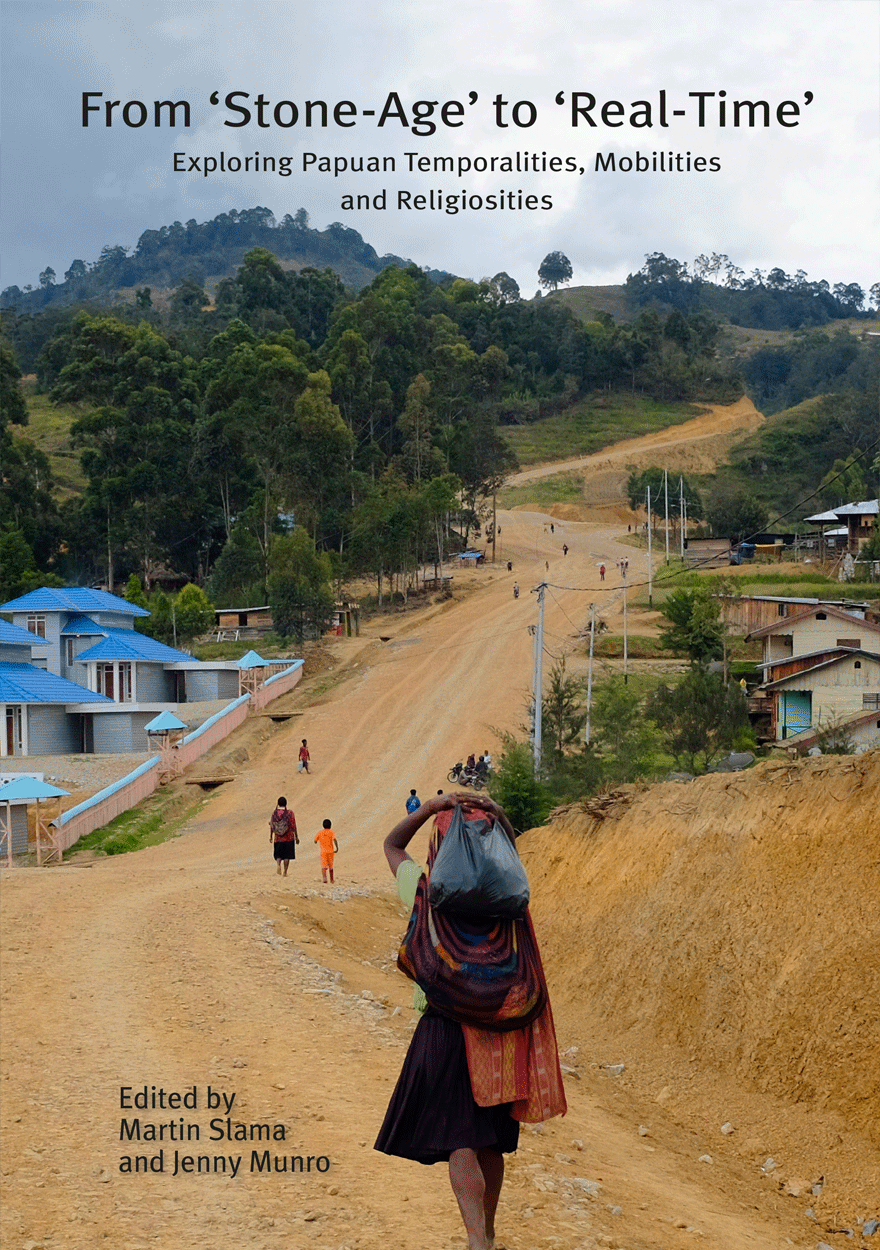
From 'Stone-Age' to 'Real-Time' »
Exploring Papuan Temporalities, Mobilities and Religiosities
Edited by: Martin Slama, Jenny Munro
Publication date: April 2015
There are probably no other people on earth to whom the image of the ‘stone-age’ is so persistently attached than the inhabitants of the island of New Guinea, which is divided into independent Papua New Guinea and the western part of the island, known today as Papua and West Papua. From ‘Stone-Age’ to ‘Real-Time’ examines the forms of agency, frictions and anxieties the current moment generates in West Papua, where the persistent ‘stone-age’ image meets the practices and ideologies of the ‘real-time’ – a popular expression referring to immediate digital communication. The volume is thus essentially occupied with discourses of time and space and how they inform questions of hierarchy and possibilities for equality. Papuans are increasingly mobile, and seeking to rework inherited ideas, institutions and technologies, while also coming up against palpable limits on what can be imagined or achieved, secured or defended. This volume investigates some of these trajectories for the cultural logics and social or political structures that shape them. The chapters are highly ethnographic, based on in-depth research conducted in diverse spaces within and beyond Papua. These contributions explore topics ranging from hip hop to HIV/ AIDS to historicity, filling much-needed conceptual and ethnographic lacunae in the study of West Papua.

New Accountabilities, New Challenges »
Publication date: April 2015
This important and challenging volume of essays draws on insights from leading academics and public servants from Australia, New Zealand, the United Kingdom, Canada and elsewhere. It provides an excellent series of critiques of both the systemic accountabilities and the policy processes of government by drawing on meticulously researched, topical and real-world case studies of governance. Its contribution to the understanding of the applied processes of government in this way is exemplary. Topics covered include: restoring trust in government, parliamentary scrutiny of the APS, administrative law and FOI, budgetary reforms, implementation issues, competition policy, indigenous administration, collaboration with the NGO sector, educational reforms and the changes to the Auditor- General’s mandate.

Protected Area Governance and Management »
Publication date: April 2015
PAGM briefing note
Protected Area Governance and Management presents a compendium of original text, case studies and examples from across the world, by drawing on the literature, and on the knowledge and experience of those involved in protected areas. The book synthesises current knowledge and cutting-edge thinking from the diverse branches of practice and learning relevant to protected area governance and management. It is intended as an investment in the skills and competencies of people and consequently, the effective governance and management of protected areas for which they are responsible, now and into the future.
The global success of the protected area concept lies in its shared vision to protect natural and cultural heritage for the long term, and organisations such as International Union for the Conservation of Nature are a unifying force in this regard. Nonetheless, protected areas are a socio-political phenomenon and the ways that nations understand, govern and manage them is always open to contest and debate. The book aims to enlighten, educate and above all to challenge readers to think deeply about protected areas—their future and their past, as well as their present.
The book has been compiled by 169 authors and deals with all aspects of protected area governance and management. It provides information to support capacity development training of protected area field officers, managers in charge and executive level managers.