



Search titles
Displaying results 41 to 50 of 163.
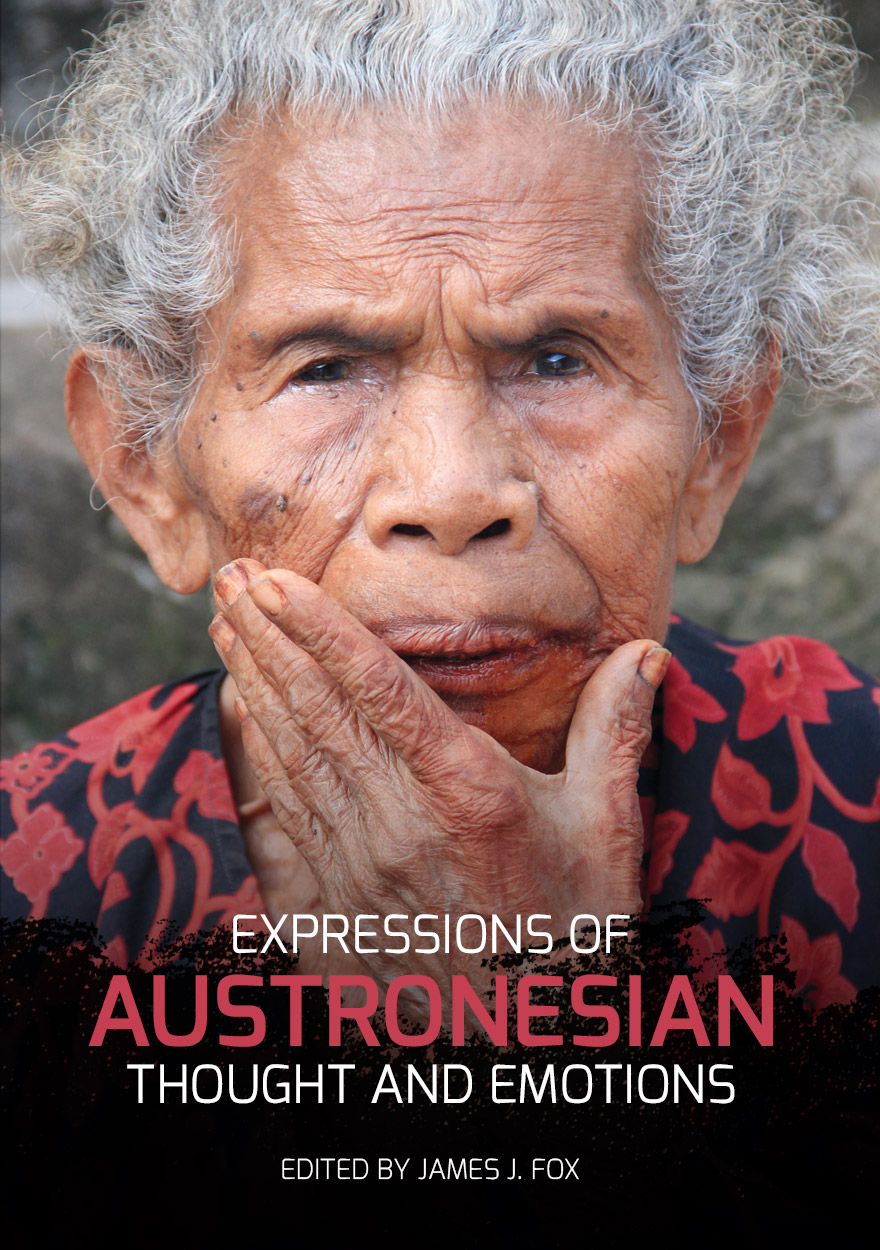
Expressions of Austronesian Thought and Emotions »
Edited by: James J. Fox
Publication date: April 2018
This collection of papers is the seventh volume in the Comparative Austronesian series. The papers in this volume focus on societies from Sumatra to Melanesia and examine the expression and patterning of Austronesian thought and emotions.

The Quest for the Good Life in Precarious Times »
Ethnographic Perspectives on the Domestic Moral Economy
Edited by: Chris Gregory, Jon Altman
Publication date: April 2018
The study of the quest for the good life and the morality and value it presupposes is not new. To the contrary, this is an ancient issue; its intellectual history can be traced back to Aristotle. In anthropology, the study of morality and value has always been a central concern, despite the claim of some scholars that the recent upsurge of interest in these issues is new. What is novel is how scholars in many disciplines are posing the value question in new ways. The global economic alignments of the present pose many political, moral and theoretical questions, but the central issue the essays in this collection address is: how do relatively poor people of the Australia–Pacific region survive in current precarious times? In looking to answer this question, contributors directly engage the values and concepts of their interlocutors. At a time when understanding local implications of global processes is taking on new urgency, these essays bring finely honed anthropological perspectives to matters of universal human concern—they offer radical empirical critique based on intensive fieldwork that will be of great interest to those seeking to comprehend the bigger picture.
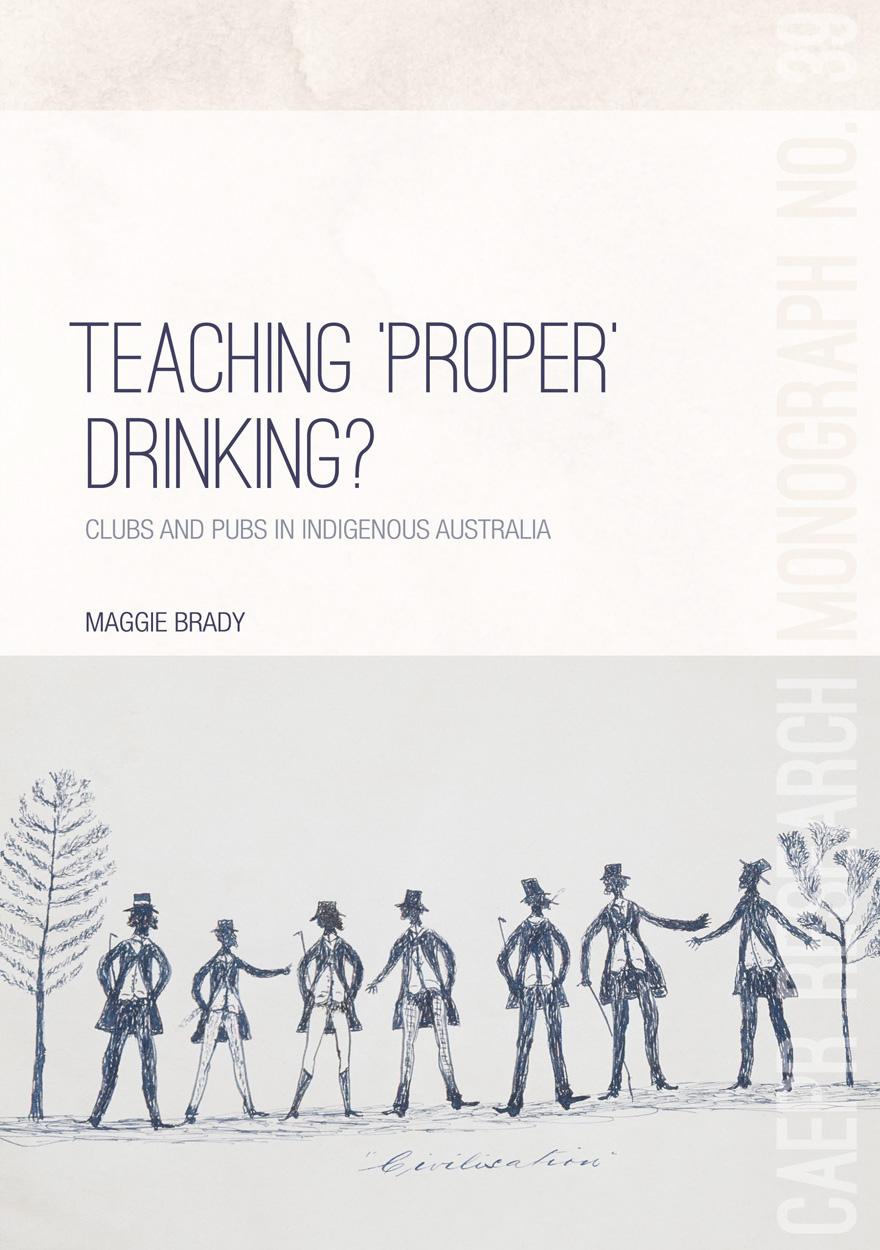
Teaching ‘Proper’ Drinking? »
Clubs and pubs in Indigenous Australia
Authored by: Maggie Brady
Publication date: December 2017
In Teaching ‘Proper’ Drinking?, the author brings together three fields of scholarship: socio-historical studies of alcohol, Australian Indigenous policy history and social enterprise studies. The case studies in the book offer the first detailed surveys of efforts to teach responsible drinking practices to Aboriginal people by installing canteens in remote communities, and of the purchase of public hotels by Indigenous groups in attempts both to control sales of alcohol and to create social enterprises by redistributing profits for the community good. Ethnographies of the hotels are examined through the analytical lens of the Swedish ‘Gothenburg’ system of municipal hotel ownership.
The research reveals that the community governance of such social enterprises is not purely a matter of good administration or compliance with the relevant liquor legislation. Their administration is imbued with the additional challenges posed by political contestation, both within and beyond the communities concerned.
‘The idea that community or government ownership and management of a hotel or other drinking place would be a good way to control drinking and limit harm has been commonplace in many Anglophone and Nordic countries, but has been less recognised in Australia. Maggie Brady’s book brings together the hidden history of such ideas and initiatives in Australia … In an original and wide-ranging set of case studies, Brady shows that success in reducing harm has varied between communities, largely depending on whether motivations to raise revenue or to reduce harm are in control.’
— Professor Robin Room, Director, Centre for Alcohol Policy Research, La Trobe University
In the Media
Read the Alice Spring News article: ‘Proper’ drinking: elusive goal but how hard have we tried?
Awards
Shortlisted – 2019 Chief Minister's Northern Territory History Book Award
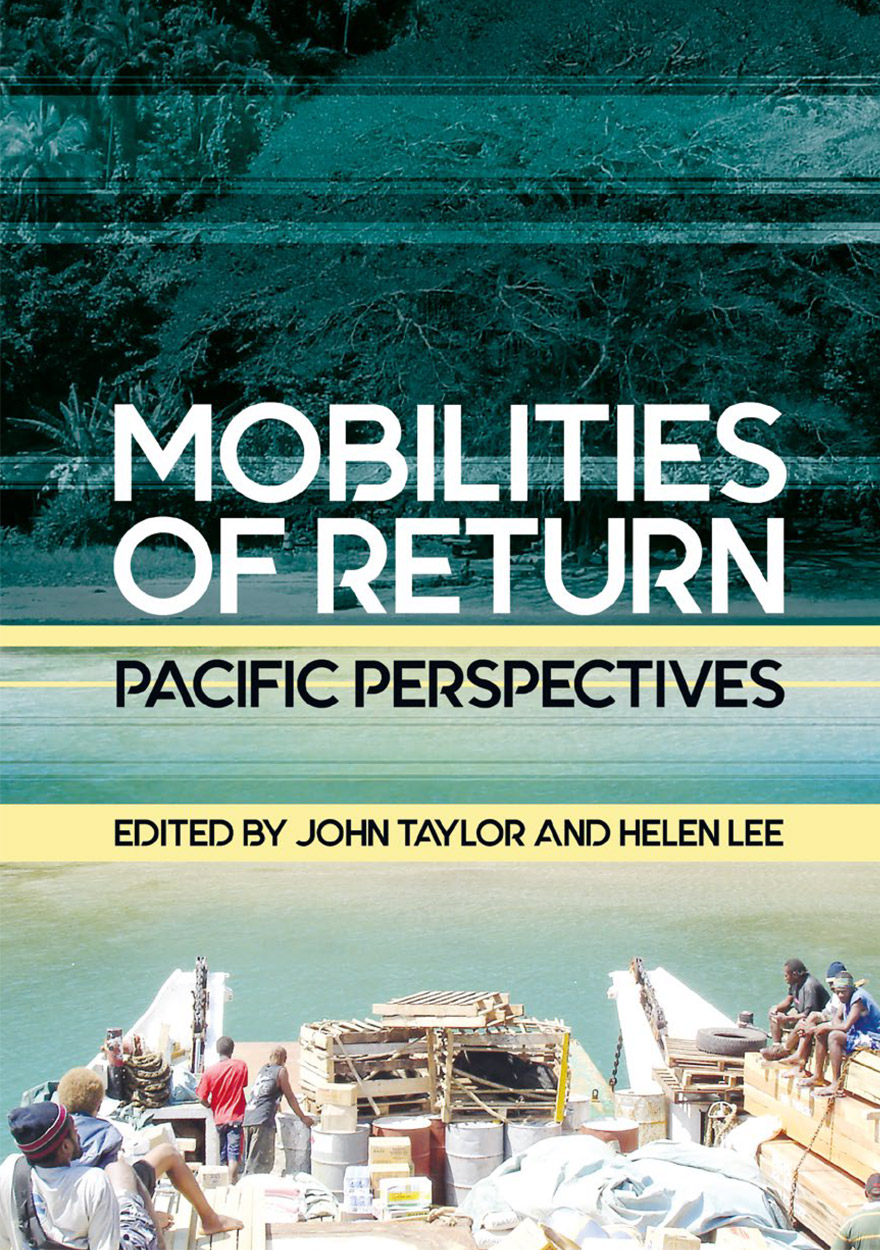
Mobilities of Return »
Pacific Perspectives
Edited by: John Taylor, Helen Lee
Publication date: December 2017
In recent decades, the term ‘mobility’ has emerged as a defining paradigm within the humanities. For scholars engaged in the multidisciplinary topics and perspectives now often embraced by the term Pacific Studies, it has been a much more longstanding and persistent concern. Even so, specific questions regarding ‘mobilities of return’—that is, the movement of people ‘back’ to places that are designated, however ambiguously or ambivalently, as ‘home’—have tended to take a back seat within more recent discussions of mobility, transnationalism and migration.
This volume situates return mobility as a starting point for understanding the broader context and experience of human mobility, community and identity in the Pacific region and beyond. Through diverse case studies spanning the Pacific region, it demonstrates the extent to which the prospect and practice of returning home, or of navigating returns between multiple homes, is a central rather than peripheral component of contemporary Pacific Islander mobilities and identities everywhere.
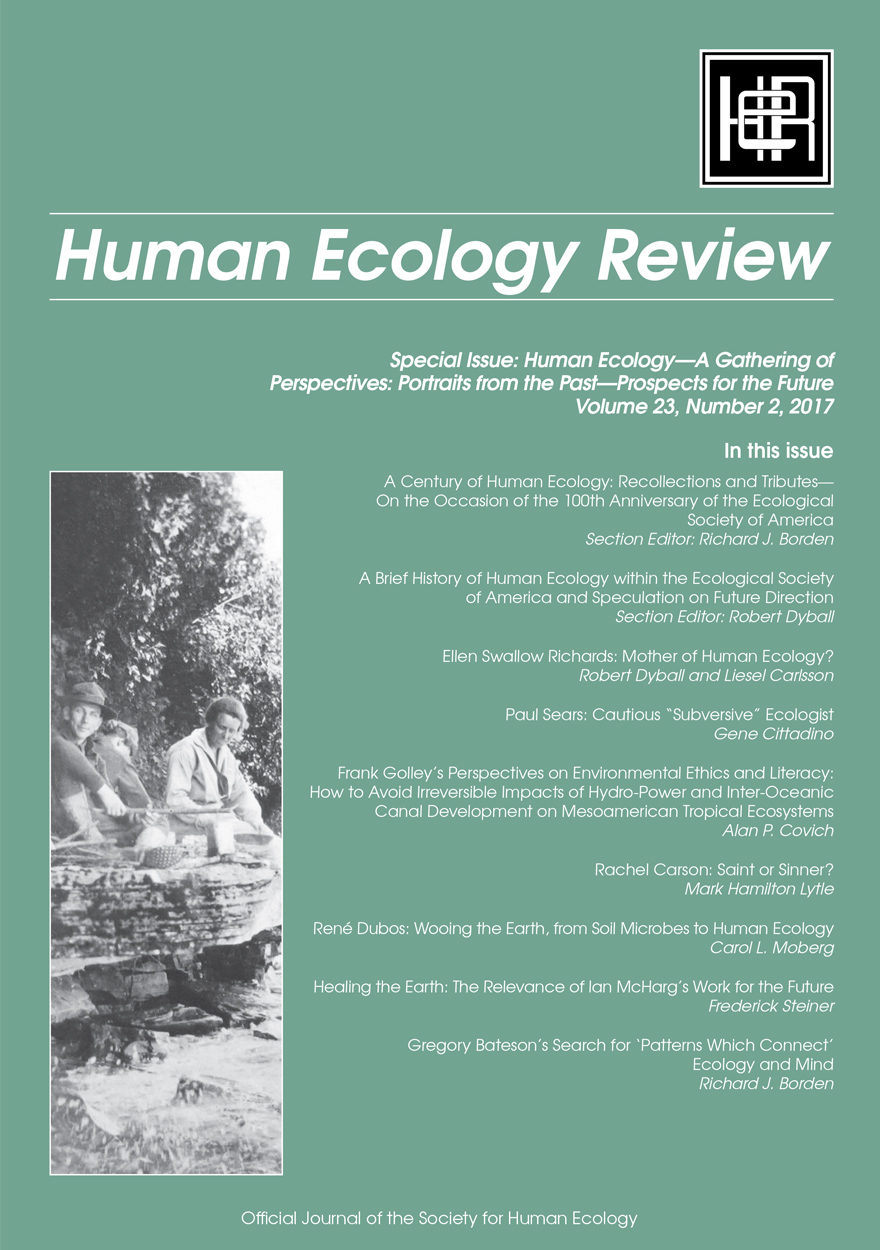
Human Ecology Review: Volume 23, Number 2 »
Special Issue: Human Ecology—A Gathering of Perspectives: Portraits from the Past—Prospects for the Future
Publication date: December 2017
Human Ecology Review is a semi-annual journal that publishes peer-reviewed interdisciplinary research on all aspects of human–environment interactions (Research in Human Ecology). The journal also publishes essays, discussion papers, dialogue, and commentary on special topics relevant to human ecology (Human Ecology Forum), book reviews (Contemporary Human Ecology), and letters, announcements, and other items of interest (Human Ecology Bulletin). Human Ecology Review also publishes an occasional paper series in the Philosophy of Human Ecology and Social–Environmental Sustainability.
Download for free
Not available for purchase

Navigating Boundaries »
The Asian diaspora in Torres Strait
Edited by: Anna Shnukal, Guy Ramsay, Yuriko Nagata
Publication date: November 2017
Navigating Boundaries belongs to a new generation of Asian–Australian historical studies. The essays presented here draw on an extensive, widely dispersed body of information, including much unpublished material, in order to narrate stories of the Asian diaspora communities of Torres Strait, north Queensland. Early chapters give an overview of Torres Strait Islander/Asian/European interaction, documenting the experiences of people from the five major Asian communities in the Torres Strait: Chinese, Filipino, Indonesian, Japanese and Sri Lankan. Later chapters inspect the early authorities of Torres Strait, including the former Resident Magistrate and the Protector of Aboriginals. Other chapters examine the contributions to Torres Strait culture made by Asian communities—from ethnic identity, clothing and cuisine, to religion, funeral and burial practices, and with a strong focus on the rich musical culture of Torres Strait Islanders. In the final chapter of the book, a variety of local voices narrate stories of Torres Strait people of Asian ancestry, providing a deeply personal insight into the Asian experience in Torres Strait.

The Archaeology of Rock Art in Western Arnhem Land, Australia »
Publication date: November 2017
Western Arnhem Land, in the Top End of Australia’s Northern Territory, has a rich archaeological landscape, ethnographic record and body of rock art that displays an astonishing array of imagery on shelter walls and ceilings. While the archaeology goes back to the earliest period of Aboriginal occupation of the continent, the rock art represents some of the richest, most diverse and visually most impressive regional assemblages anywhere in the world. To better understand this multi-dimensional cultural record, The Archaeology of Rock Art in Western Arnhem Land, Australia focuses on the nature and antiquity of the region’s rock art as revealed by archaeological surveys and excavations, and the application of novel analytical methods. This volume also presents new findings by which to rethink how Aboriginal peoples have socially engaged in and with places across western Arnhem Land, from the north to the south, from the plains to the spectacular rocky landscapes of the plateau. The dynamic nature of Arnhem Land rock art is explored and articulated in innovative ways that shed new light on the region’s deep time Aboriginal history.

German Ethnography in Australia »
Edited by: Nicolas Peterson, Anna Kenny
Publication date: September 2017
The contribution of German ethnography to Australian anthropological scholarship on Aboriginal societies and cultures has been limited, primarily because few people working in the field read German. But it has also been neglected because its humanistic concerns with language, religion and mythology contrasted with the mainstream British social anthropological tradition that prevailed in Australia until the late 1960s. The advent of native title claims, which require drawing on the earliest ethnography for any area, together with an increase in research on rock art of the Kimberley region, has stimulated interest in this German ethnography, as have some recent book translations. Even so, several major bodies of ethnography, such as the 13 volumes on the cultures of northeastern South Australia and the seven volumes on the Aranda of the Alice Springs region, remain inaccessible, along with many ethnographically rich articles and reports in mission archives. In 18 chapters, this book introduces and reviews the significance of this neglected work, much of it by missionaries who first wrote on Australian Aboriginal cultures in the 1840s. Almost all of these German speakers, in particular the missionaries, learnt an Aboriginal language in order to be able to document religious beliefs, mythology and songs as a first step to conversion. As a result, they produced an enormously valuable body of work that will greatly enrich regional ethnographies.
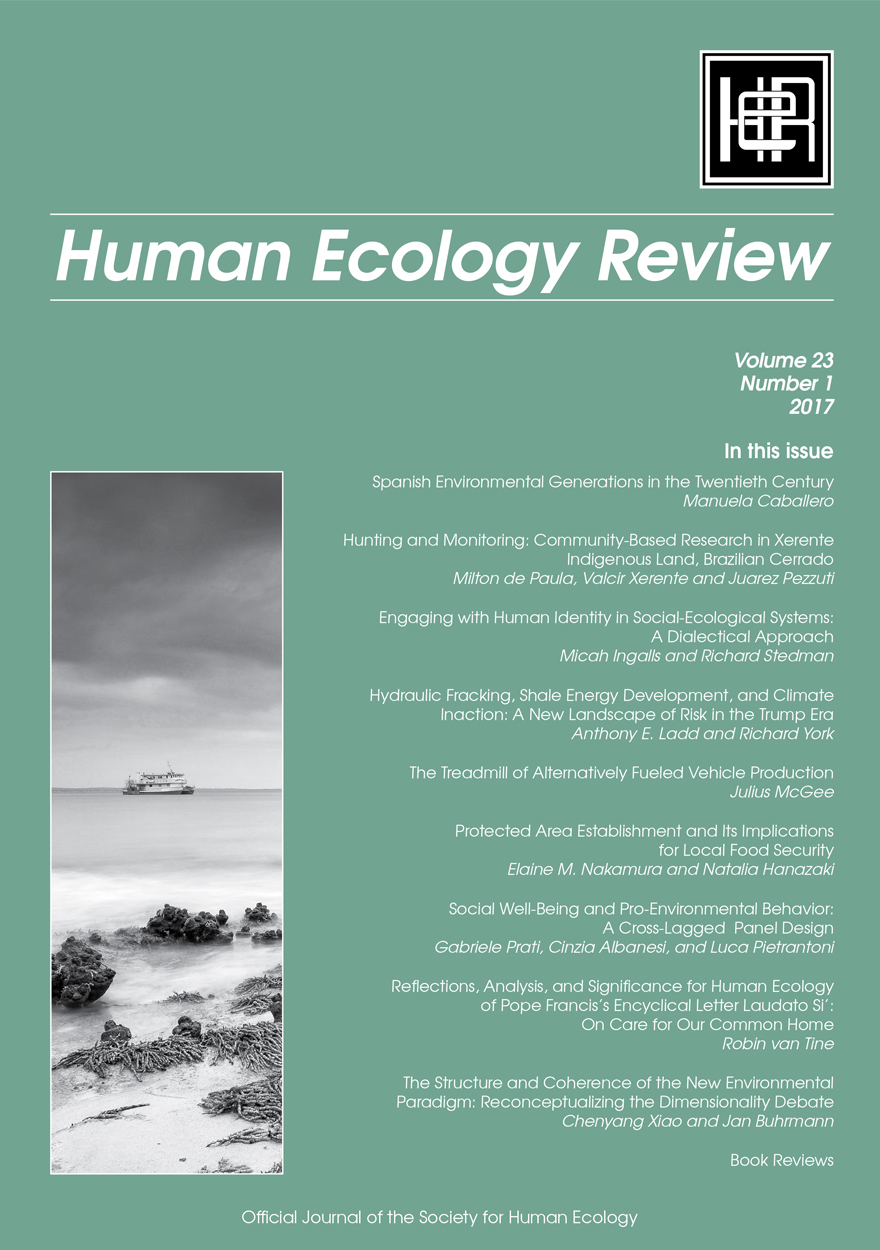
Human Ecology Review: Volume 23, Number 1 »
Publication date: September 2017
Human Ecology Review is a semi-annual journal that publishes peer-reviewed interdisciplinary research on all aspects of human–environment interactions (Research in Human Ecology). The journal also publishes essays, discussion papers, dialogue, and commentary on special topics relevant to human ecology (Human Ecology Forum), book reviews (Contemporary Human Ecology), and letters, announcements, and other items of interest (Human Ecology Bulletin). Human Ecology Review also publishes an occasional paper series in the Philosophy of Human Ecology and Social–Environmental Sustainability.
Download for free
Not available for purchase
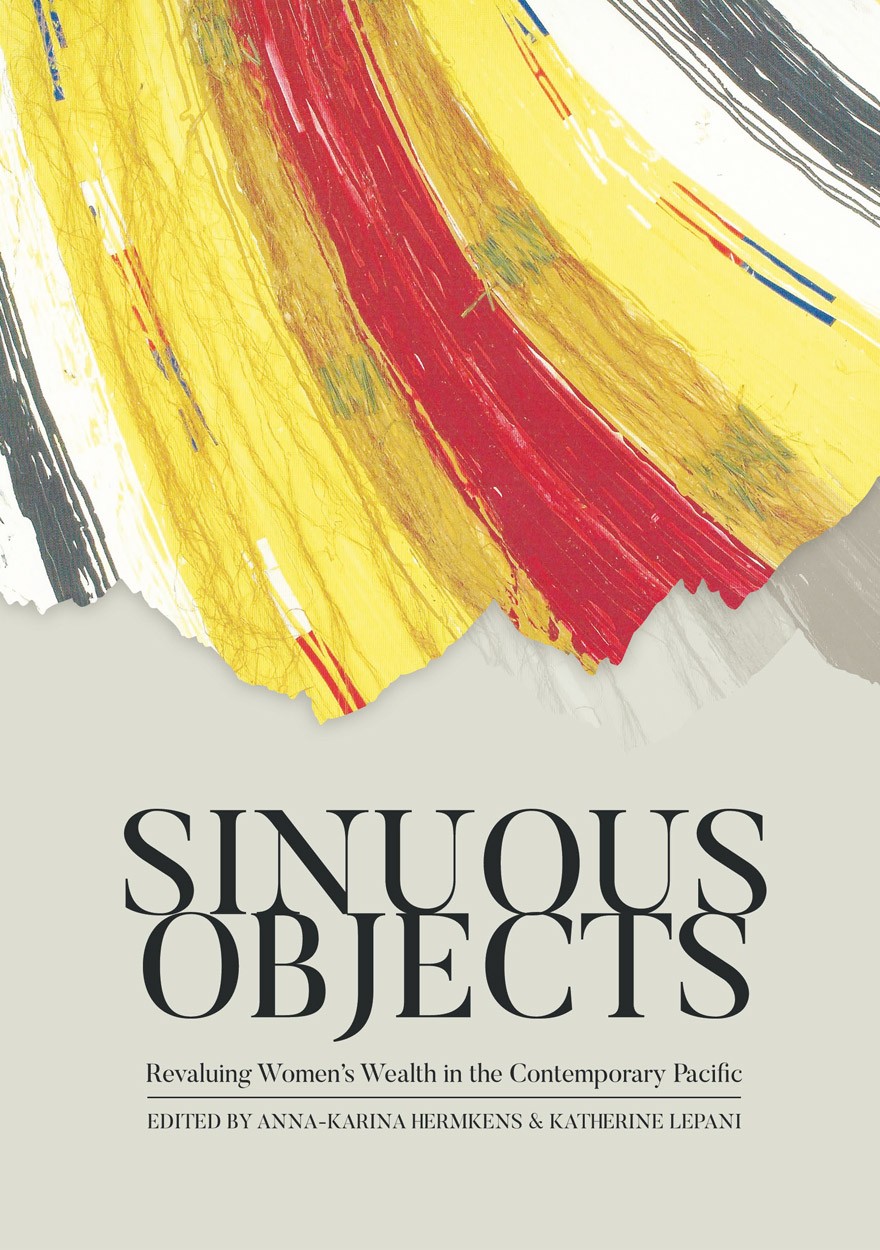
Sinuous Objects »
Revaluing Women’s Wealth in the Contemporary Pacific
Edited by: Anna-Karina Hermkens, Katherine Lepani
Publication date: August 2017
Some 40 years ago, Pacific anthropology was dominated by debates about ‘women’s wealth’. These exchanges were generated by Annette Weiner’s (1976) critical reappraisal of Bronisław Malinowski’s classic work on the Trobriand Islands, and her observations that women’s production of ‘wealth’ (banana leaf bundles and skirts) for elaborate transactions in mortuary rituals occupied a central role in Trobriand matrilineal cosmology and social organisation. This volume brings the debates about women’s wealth back to the fore by critically revisiting and engaging with ideas about gender and materiality, value, relationality and the social life and agency of things. The chapters, interspersed by three poems, evoke the sinuous materiality of the different objects made by women across the Pacific, and the intimate relationship between these objects of value and sensuous, gendered bodies.
In the Epilogue, Professor Margaret Jolly observes how the volume also ‘trace[s] a more abstract sinuosity in the movement of these things through time and place, as they coil through different regimes of value … The eight chapters … trace winding paths across the contemporary Pacific, from the Trobriands in Milne Bay, to Maisin, Wanigela and Korafe in Oro Province, Papua New Guinea, through the islands of Tonga to diasporic Tongan and Cook Islander communities in New Zealand’. This comparative perspective elucidates how women’s wealth is defined, valued and contested in current exchanges, bride-price debates, church settings, development projects and the challenges of living in diaspora. Importantly, this reveals how women themselves preserve the different values and meanings in gift-giving and exchanges, despite processes of commodification that have resulted in the decline or replacement of ‘women’s wealth’.